Your cart (0)
Your cart is empty
Tax included and FREE shipping at checkout

Drawer menu
Tax included and FREE shipping at checkout
REAL DIAMONDS FOR LESS


I am definitely a returning customer because the quality and price is great! The customer service is also amazing!
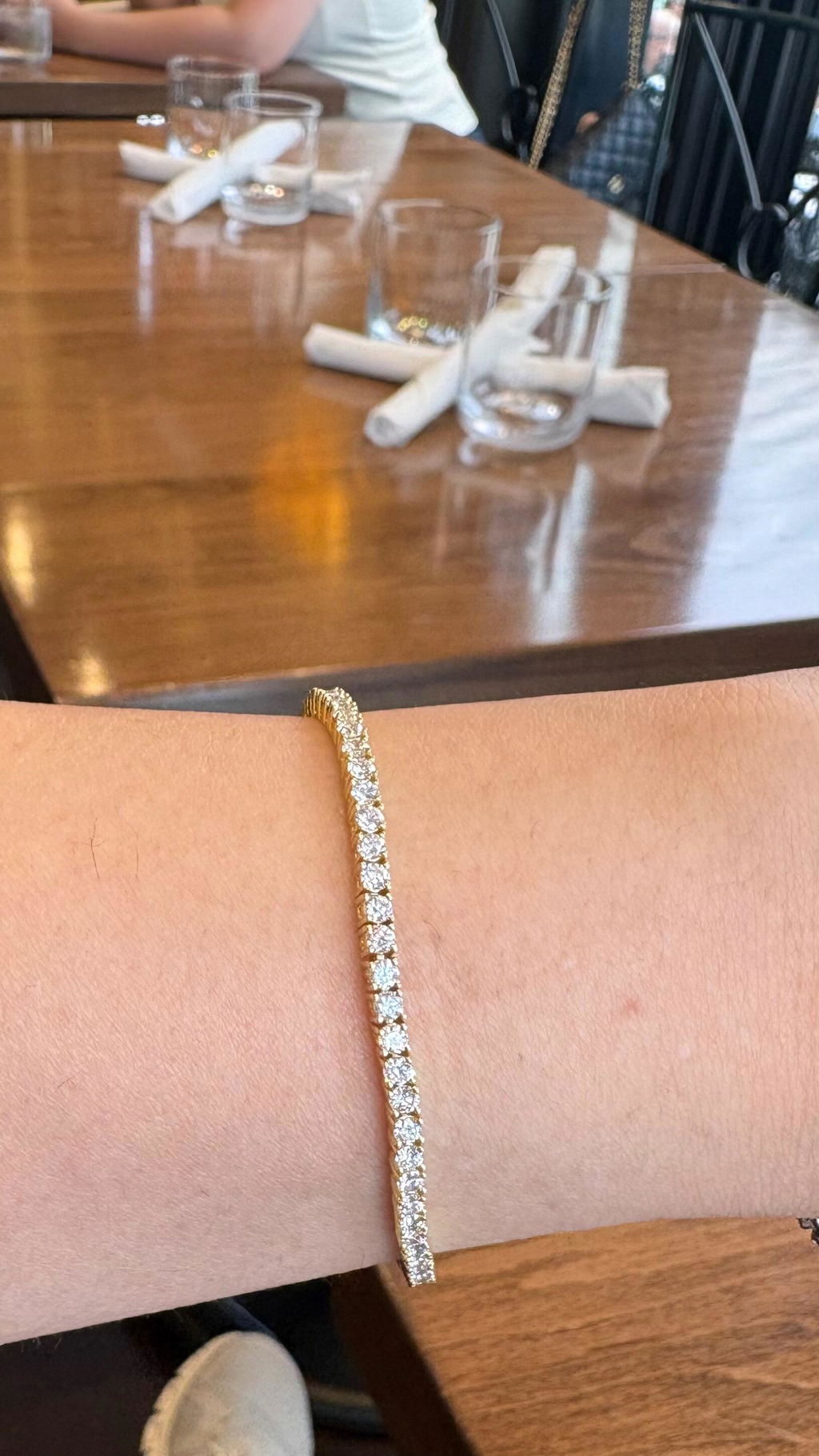
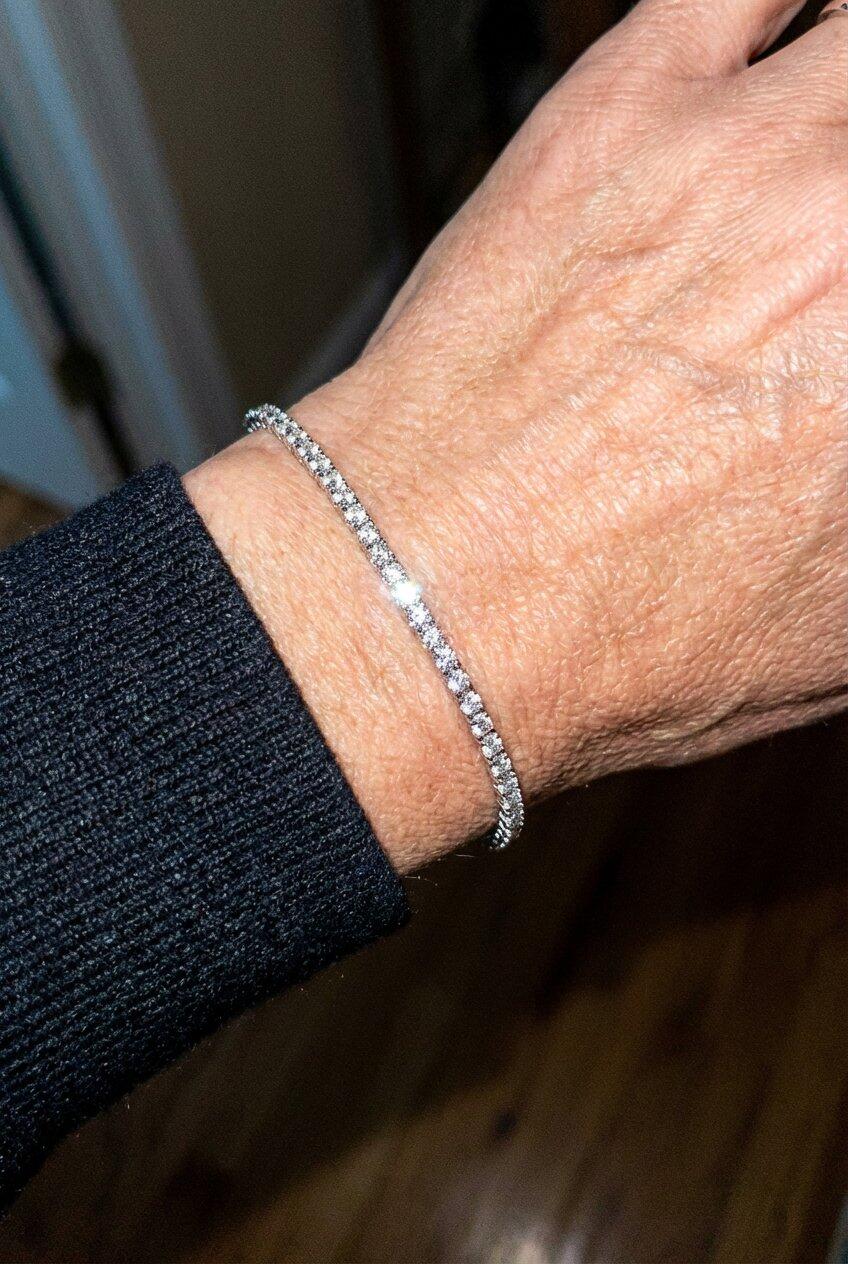
Its been a while that I am wearing my bracelet! I simply love the shine! Its as beautiful as it could be! I will definitely recommend! The only thing i am not a fan is how it closes and opens! But the claps is super safe! Also about the customer service i would say its amazing! The delivery time was also less and i love my bracelet!
Good deal
Great
Love that it comes with diamond tester and the light inside the box with the diamond is a nice touch.
great quality
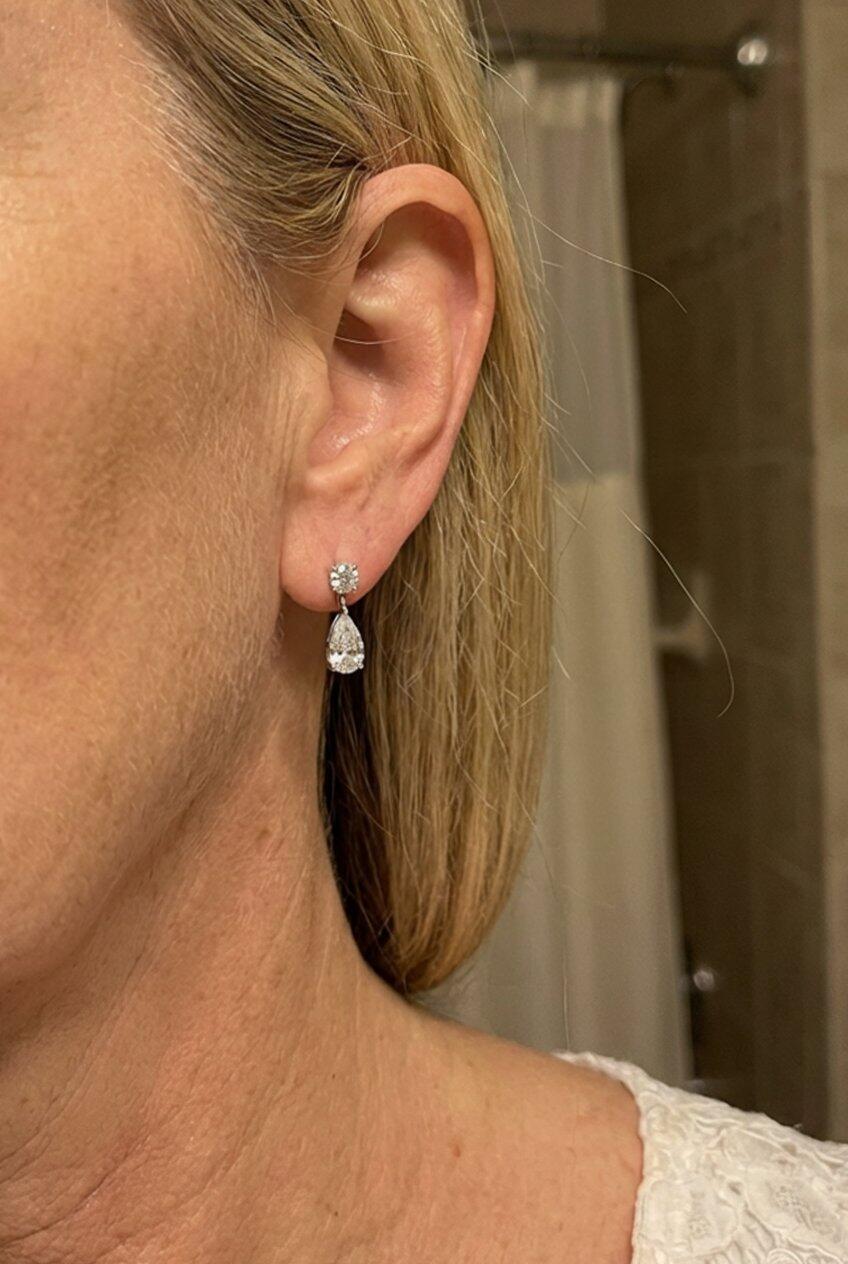
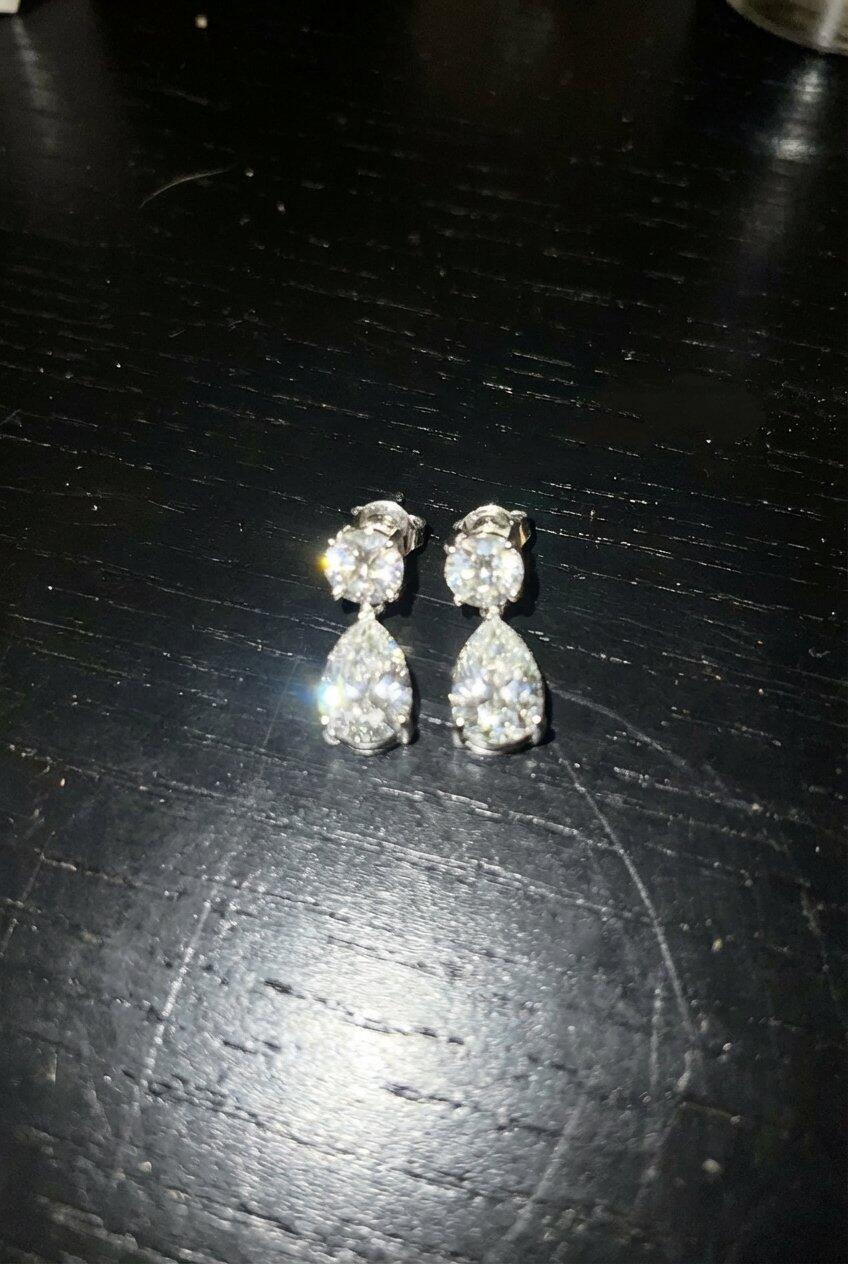
lovely pair of diamond earrings at a great price! came in the mail in 2 days
Fast and efficient, communication was easy with Lana over emails.
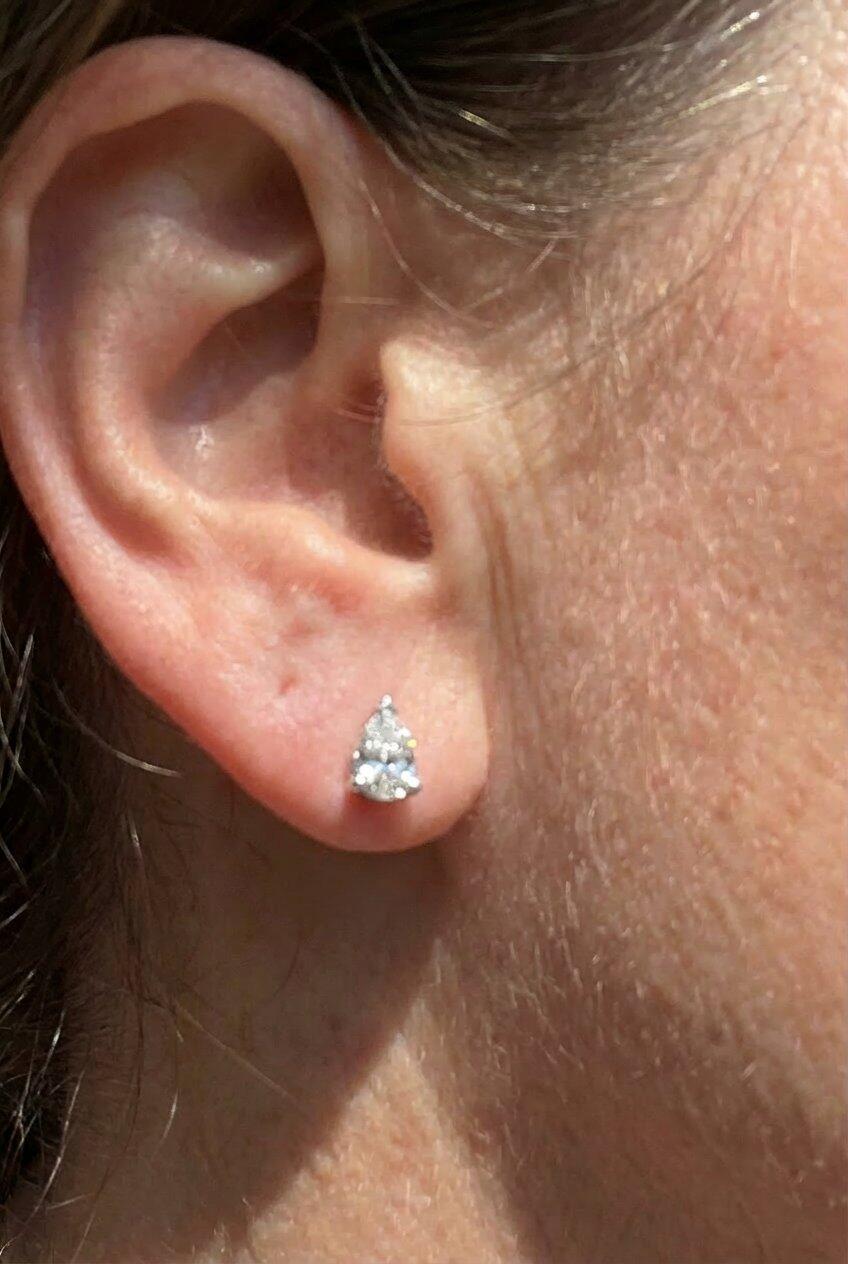
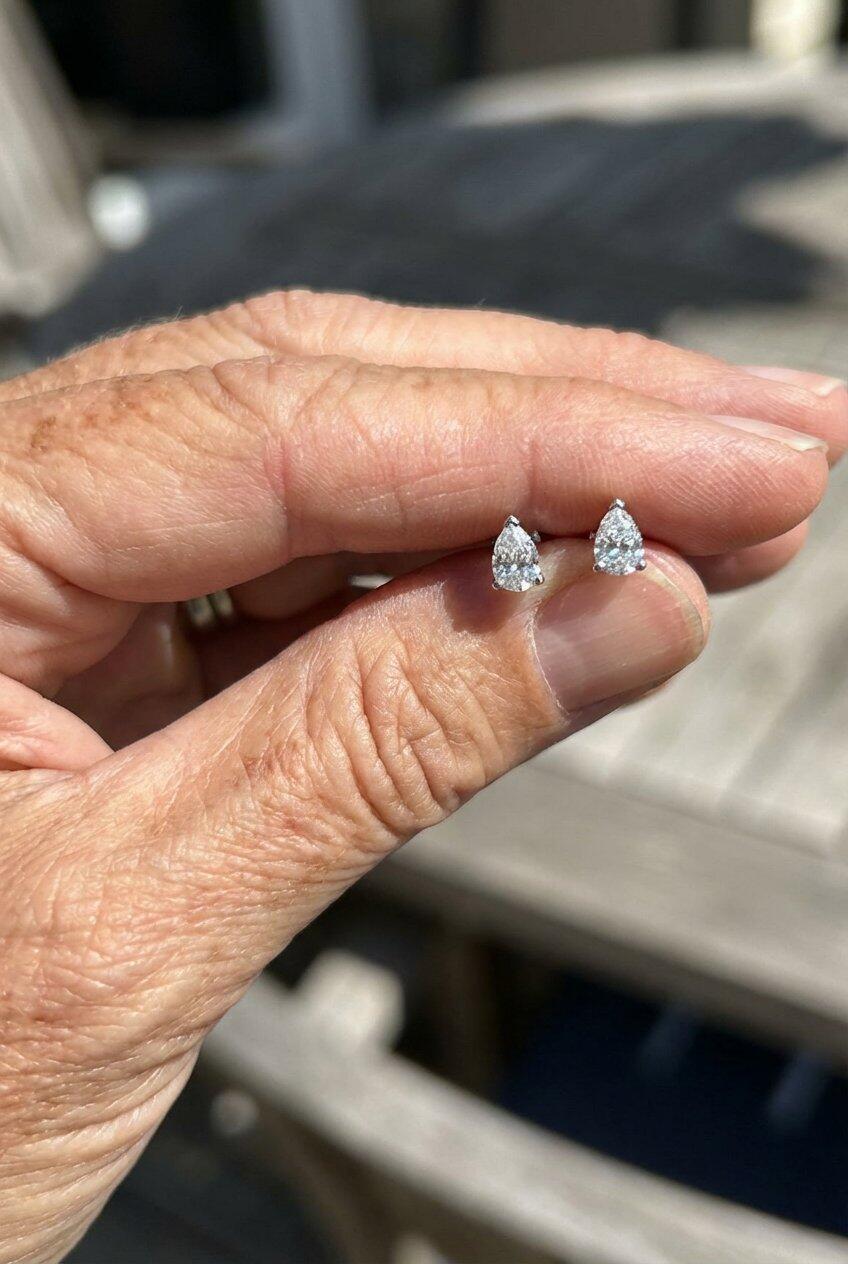
I love these pear-shaped diamonds they look bigger than the round diamonds of the same size. Overall very satisfied with the value and product
My husband got them for me. I love these earrings, great design and setting!
great packaging and value, the pear-shaped diamond was bigger than I thought
My wife loves it, great finish and quality product
Great deal for 1 ct lab diamond.
Perfect for everyday jewelry. I wear mine at the smallest hoop, but it's adjustable for longer. Quality Diamond.
awesome value!! diamond is so shiny
Store specializes in high-quality lab diamond jewelry with excellent value. Fast shipping (2 days) and efficient communication. Premium packaging includes diamond tester and light box. Customers praise exceptional shine, clarity, and size of diamonds. Strong c...

Ensure your shine is certified. Every purchase includes a complimentary diamond tester so you can verify authenticity with confidence. Real diamonds, guaranteed.


Where the finest lab-grown diamonds meet a lifetime authenticity guarantee.

We handle all tariffs and import fees upfront, no surprises for you

We offer a 14-day return window, giving you peace of mind with every purchase.